World Think Tanks Council UK

A Global Platform for Thought
Leadership, Dialogue, and Influence

A Global Platform for Thought Leadership, Dialogue, and Influence

The World Think Tanks Council (UK) is an international platform that brings together think tanks, policy institutes, research bodies, and thought leaders from around the world to encourage global dialogue, knowledge exchange, and responsible leadership.

Operating as part of the wider AlAlef Global Leadership Ecosystem, the Council serves as a neutral convening space where ideas, insights, and perspectives from different regions and disciplines can be shared to address global challenges and opportunities.

The Council does not promote political positions or advocacy agendas.
Its role is to connect, recognise, and elevate credible voices in policy, research, and strategic thinking.

Iran War Aftermath and South Asia Security: Pakistan’s Role in Preventing a Wider Regional Spillover

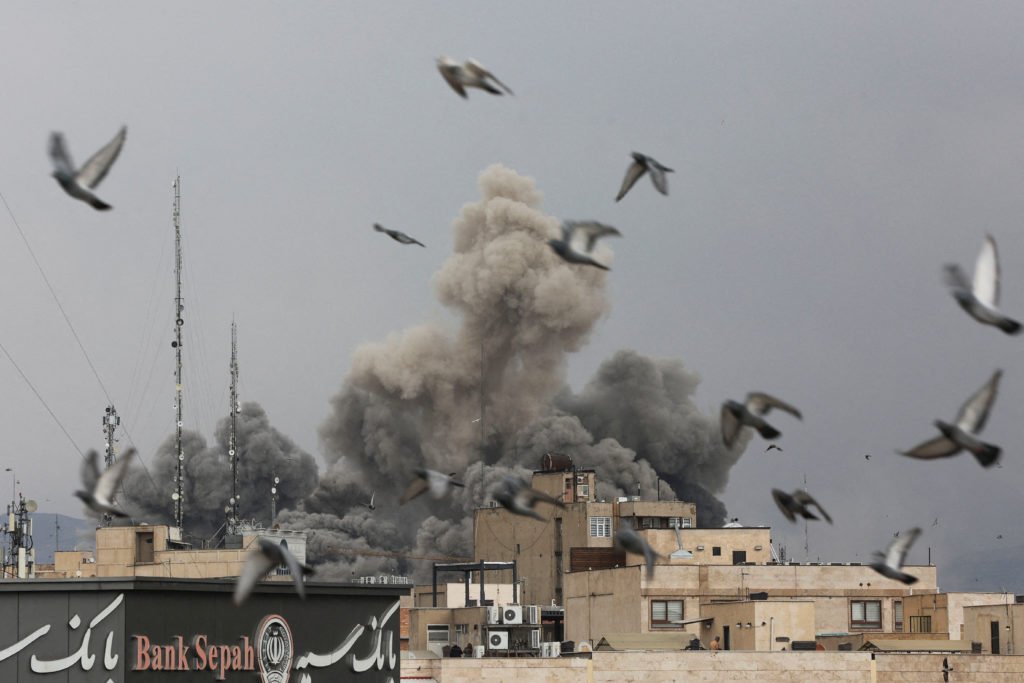
As the fragile US-Iran ceasefire enters its final days in April 2026, with a new round of talks looming in Islamabad amid mixed signals from Tehran and ongoing tensions in the Strait of Hormuz, the war’s ripple effects are already reshaping security across South Asia. Failed or stalled negotiations, combined with disruptions to one of the world’s most critical energy chokepoints, directly threaten Pakistan’s energy imports, stability along the Afghan border, and delicate relations with India.

America vs. the United Nations: Transactional Power vs. Multilateral Norms in the Shadow of the 2026 Iran War

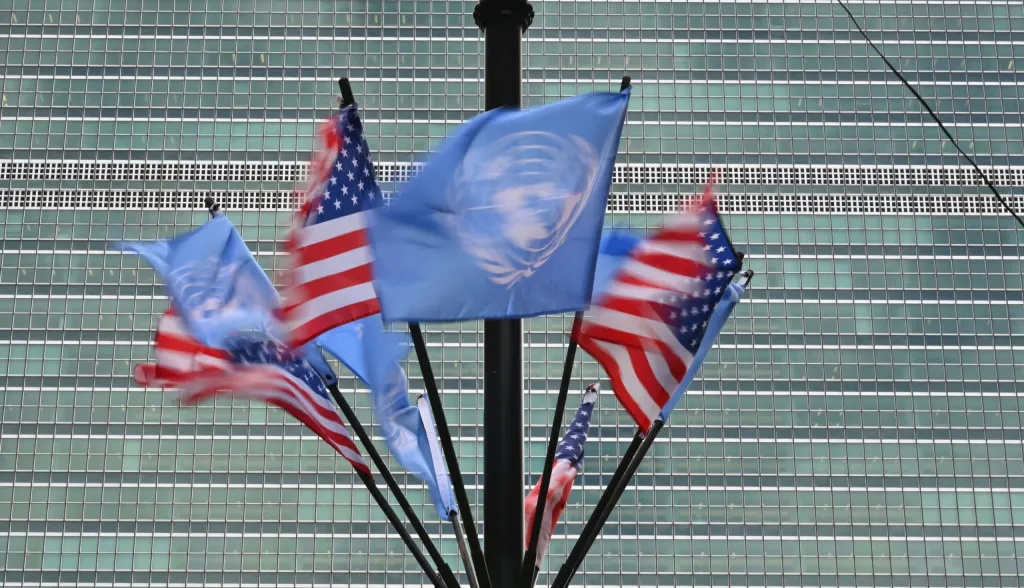
As the fragile US-Iran ceasefire teeters toward its April 22 expiration amid renewed Hormuz tensions and the US seizure of an Iranian vessel, a deeper structural rift is widening: the United States under President Trump is openly challenging the relevance of the United Nations. From withdrawing from 31 UN entities and dozens of other international organizations in January 2026 to prioritizing transactional deal-making over multilateral consensus, Washington is accelerating a shift from rules-based global governance to raw power politics.

Pakistan’s Mediation Role: Impacts on Diplomacy, Security, Economy, and the Emerging New World Order

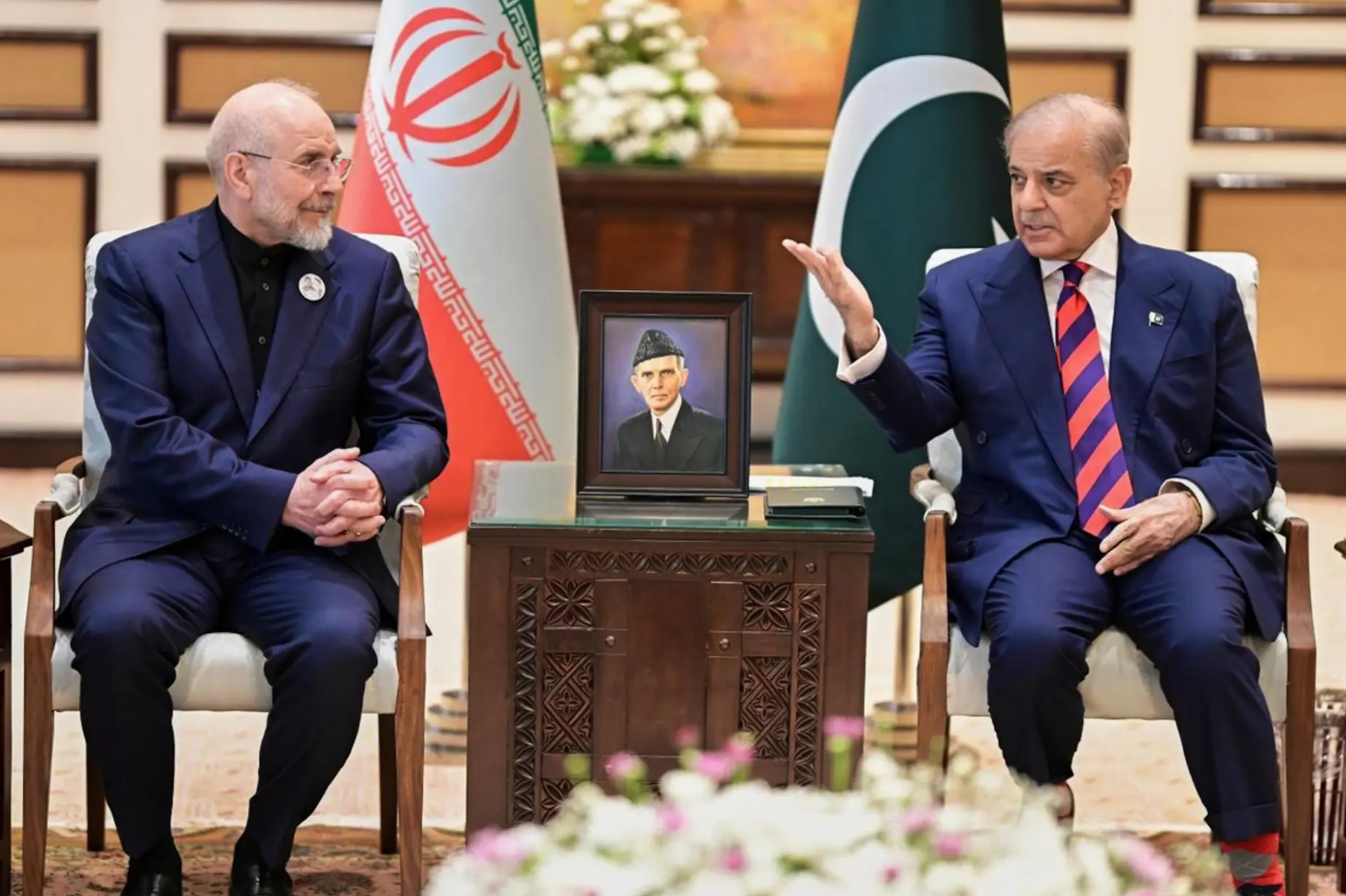
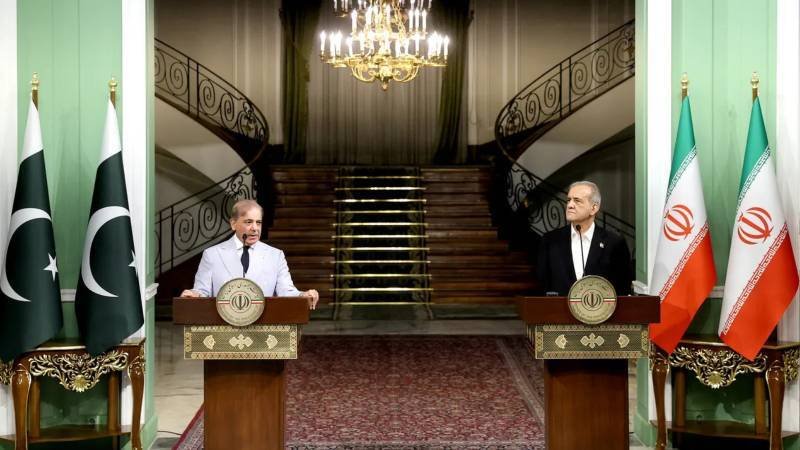
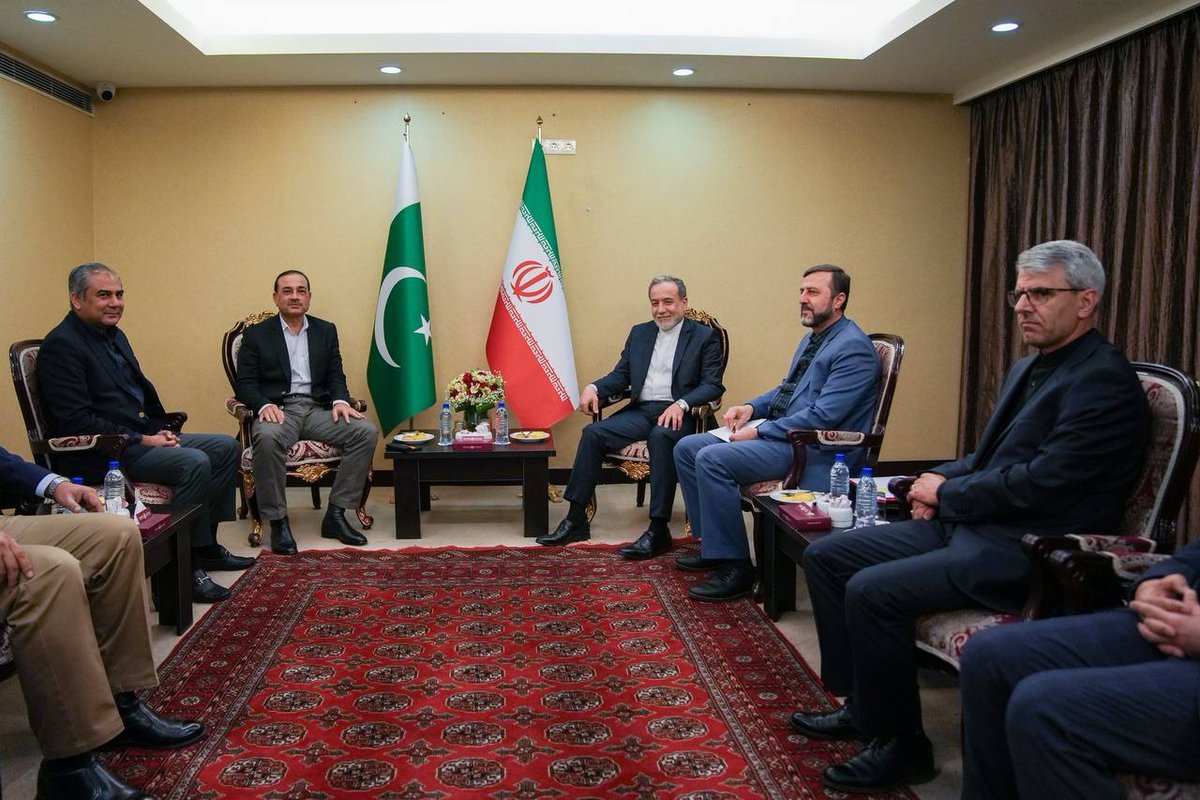
Pakistan’s high-stakes mediation between the United States and Iran in the 2026 conflict has delivered a fragile two-week ceasefire (announced April 8) and hosted landmark direct talks in Islamabad (April 11-12), even as a second round looms before the April 22 deadline. Despite deadlocks over Iran’s nuclear program, enriched uranium stockpiles, and Hormuz security,

Discover our events

Our diverse range of events brings together world leaders, policymakers, industry experts, and thought leaders to engage in meaningful dialogue on pressing global issues.

Trending issues

America vs. the United Nations: Transactional Power vs. Multilateral Norms in the Shadow of the 2026 Iran War

As the fragile US-Iran ceasefire teeters toward its April 22 expiration amid renewed Hormuz tensions and the US seizure of an Iranian vessel, a deeper structural rift is widening: the United States under President Trump is openly challenging the relevance of the United Nations. From withdrawing from 31 UN entities and dozens of other international organizations in January 2026 to prioritizing transactional deal-making over multilateral consensus, Washington is accelerating a shift from rules-based global governance to raw power politics.

Pakistan’s Mediation Role: Impacts on Diplomacy, Security, Economy, and the Emerging New World Order

Pakistan’s high-stakes mediation between the United States and Iran in the 2026 conflict has delivered a fragile two-week ceasefire (announced April 8) and hosted landmark direct talks in Islamabad (April 11-12), even as a second round looms before the April 22 deadline. Despite deadlocks over Iran’s nuclear program, enriched uranium stockpiles, and Hormuz security,