
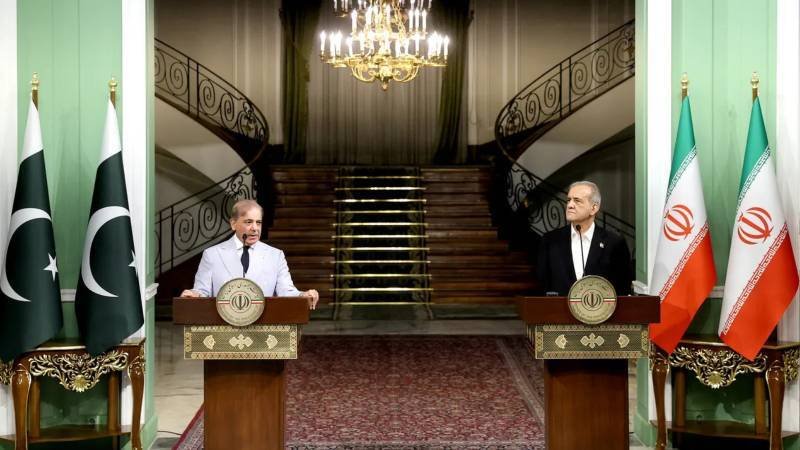
Pakistan’s high-stakes mediation between the United States and Iran in the 2026 conflict has delivered a fragile two-week ceasefire (announced April 8) and hosted landmark direct talks in Islamabad (April 11-12), even as a second round looms before the April 22 deadline. Despite deadlocks over Iran’s nuclear program, enriched uranium stockpiles, and Hormuz security, Islamabad’s shuttle diplomacy led prominently by Army Chief Field Marshal Asim Munir and supported by Prime Minister Shehbaz Sharif has narrowed differences, kept dialogue channels open, and prevented immediate wider escalation.
This effort marks one of Pakistan’s most visible diplomatic initiatives in years, positioning it as a credible middle-power bridge in a multipolar landscape. Yet the impacts are mixed: diplomatic prestige gains alongside persistent economic vulnerabilities, security risks, and questions about long-term sustainability.
Diplomatic Prestige and Recognition as a Middle-Power Broker
Pakistan’s facilitation has earned international acknowledgment from both Washington and Tehran, with analysts describing it as a “biggest diplomatic win in years.” The ceasefire and talks have highlighted Islamabad’s unique assets: a long shared border with Iran, functional ties with the US, and the ability to relay messages via backchannels (including WhatsApp and Signal at critical junctures).
- Global praise: Leaders from Saudi Arabia, Oman, the EU, and others have thanked Pakistan for averting catastrophe and stabilizing energy flows. Think tanks like the Chicago Council on Global Affairs and Atlantic Council note that this role allows Pakistan to escape being defined solely by its rivalry with India and to project influence as a regional stabilizer.
- Historical parallel: Echoing its 1971 role in US-China rapprochement, Pakistan is again acting as a “bridge” in a time of profound global restructuring, reinforcing its relevance in a fragmented order where middle powers fill mediation gaps left by superpower constraints.
Highlight: “Pakistan’s emergence as the key mediator… demonstrates that middle powers can influence outcomes when great powers reach stalemate.” Multiple regional analyses.
However, limitations are evident: initial talks ended without a comprehensive deal, and progress remains incremental, dependent on the principal parties’ willingness. Some observers describe Pakistan more as a “facilitator” or messenger than a transformative mediator capable of reshaping core positions.
Economic and Energy Security Impacts
The war and Hormuz disruptions directly threatened Pakistan’s imports (with ~80% of crude oil transiting the strait), causing fuel shortages, price spikes (petrol up over 40% in some periods), inflation risks, and pressure on reserves. Mediation has yielded partial relief by keeping channels open for safer shipping and exploring joint patrols or alternative routes.
- Short-term gains: The ceasefire reduced immediate economic panic and opened space for potential Gulf investments or CPEC extensions linked to stable corridors.
- Longer-term leverage: Success could enhance Pakistan’s bargaining power for better deals in energy, trade, and reconstruction, while failure risks renewed austerity and loan repayment pressures (e.g., from UAE).
Think tanks emphasize that Pakistan’s self-interest — protecting its economy and borders drove the mediation, turning vulnerability into diplomatic utility.
Security Implications for South Asia and Beyond
By preventing full resumption of hostilities, Pakistan has mitigated spillover risks to its Afghan border, Balochistan, and internal militant threats. A prolonged war could have exacerbated TTP activities, refugee flows, and hybrid threats.
- Regional stability: Mediation helps maintain a “cold peace” on key frontiers and supports broader connectivity ambitions (Gwadar as a multipolar hub).
- Nuclear and threshold risks: Narrowing differences on Iran’s program indirectly lowers escalation dangers that could affect South Asian deterrence dynamics.
Yet risks persist: domestic political capital could erode if talks collapse, and balancing relations with Saudi Arabia, the US, and Iran remains delicate. US intelligence concerns or Indian perceptions of sidelining add layers of complexity.
Broader Geopolitical Impacts in the New World Order
Pakistan’s role exemplifies the rise of middle powers in a post-unipolar era of plateaued superpower influence and diffused agency:
- Power diffusion: In a transactional, fragmented system, credible intermediaries like Pakistan gain clout by offering off-ramps without demanding full alignment.
- Hedging and multi-alignment: The effort complements ties with China (via joint peace proposals) while engaging the US, reinforcing strategic equidistance.
- Implications for global order: Successful outcomes could model regionally anchored diplomacy, influencing forums like BRICS+ or SCO, and encouraging hybrid mechanisms over rigid multilateralism.
Think tanks (Stimson Center, IEP, and Pakistani institutes) view this as strategic survival through diplomatic utility, with potential to reshape Pakistan’s international narrative from conflict actor to peacemaker — though constrained by internal challenges.
Key Quote: “Pakistan does look to this as an opportunity to escape being locked in this rivalry with India… This is a chance to allow it to say it plays other valuable roles within the international system.” — Paul Staniland, Chicago Council on Global Affairs.
Opportunities and Risks
Opportunities:
- Enhanced soft power and invitations for future mediation or economic partnerships.
- Platform for deeper university panels on middle-power strategies and diplomat exchanges.
- Awards recognition for innovative diplomacy in multipolar crises.
Risks:
- Over-reliance on individual figures (e.g., Army Chief) without institutionalizing gains.
- Backlash if perceived as tilting too far toward one side or if economic dividends fail to materialize.
- Exposure to renewed Hormuz volatility or domestic pressures.
Think Tank Policy Recommendations
To maximize positive impacts and institutionalize this moment, the World Think Tanks Council recommends:
- Standing Islamabad Dialogue Forum: Co-host regular tracks with US, Iranian, and regional think tanks on nuclear confidence-building, Hormuz security, and economic corridors.
- University Panels on Middle-Power Mediation: Partner with institutions like Quaid-i-Azam University, LUMS, and international counterparts for simulations, research on hedging strategies, and lessons from this crisis.
- Annual Awards for Multi-Alignment Diplomacy: Recognize contributions like Pakistan’s efforts, with categories for diplomats, scholars, and institutions advancing de-escalation.
- White Paper on 2030s Mediation: Develop a Pakistani-led document synthesizing global think-tank insights on middle-power roles, integrating inputs from universities and diplomats.
- Economic-Security Linkage: Tie mediation outcomes to sustainable CPEC upgrades, alternative trade routes, and resilience-building against future shocks.
These steps can convert short-term facilitation into long-term influence in the evolving global order.
Conclusion: A Transformative yet Fragile Moment
Pakistan’s mediation has already delivered tangible impacts — a ceasefire that paused bloodshed, narrowed negotiating gaps, protected economic lifelines, and elevated its profile as a pragmatic middle power. As April 22 approaches and talks continue, the ultimate legacy depends on sustaining momentum amid deep rifts. Regardless of a full breakthrough, Islamabad has demonstrated that middle powers matter in a world of shifting hands, where connectivity, credibility, and hedging can shape outcomes.
This episode offers rich material for evidence-based debate on diplomacy in multipolarity. Neutral platforms remain vital for turning crisis insights into constructive pathways.
Call to Action
What are the long-term impacts of Pakistan’s mediation on regional stability and global power dynamics? How can universities and diplomats build on this model? Submit your analysis, propose a university panel on middle-power roles, or nominate contributors for our awards recognizing excellence in multi-alignment diplomacy. Register or contribute at worldthinktanks.com/contribute. Let’s advance sustained dialogue on these critical shifts in the new world order.