
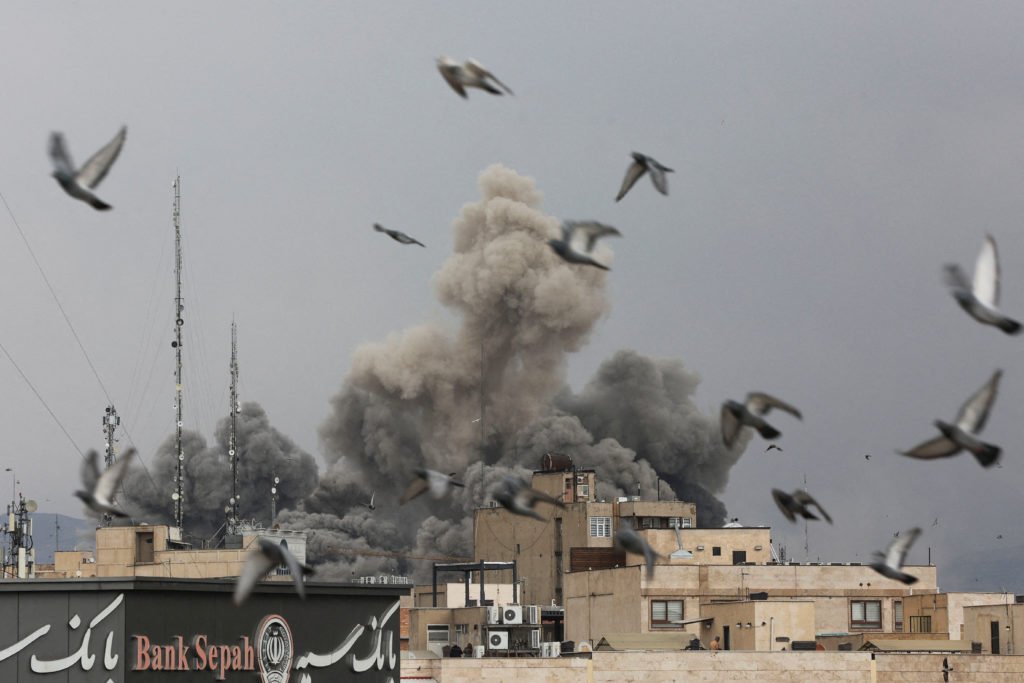
As the US-Iran ceasefire approaches its April 22 deadline amid fresh tensions—including the recent US seizure of an Iranian-flagged vessel in the Gulf of Oman—Europe continues to navigate a delicate balancing act in the 2026 Iran war. Launched by joint US-Israeli strikes on February 28 that targeted Iranian leadership and military capabilities, the conflict has tested transatlantic ties, with European leaders largely refusing direct military involvement while urging de-escalation and preparing limited defensive measures for critical shipping routes like the Strait of Hormuz.
EU foreign policy chief Kaja Kallas has been vocal, calling on the US and Israel to end the war and emphasizing diplomatic consultations with Gulf states, Jordan, and Egypt to craft face-saving proposals. Public statements from Brussels stress that “this is not Europe’s war,” reflecting widespread reluctance to be drawn into what many view as a US-led campaign of choice.
Highlight: “Absolutely [it is time to end the war]. We have been consulting with regional countries… whether we could also bring forward proposals for Iran, Israel and the U.S. to get out of this situation so that everybody saves face.” — Kaja Kallas, EU High Representative for Foreign Affairs and Security Policy.
Europe’s Response: Condemnation of Escalation, Rejection of Direct Involvement
Europe’s stance has been marked by internal divisions and pragmatic caution:
- Unified calls for diplomacy: The EU has condemned Iranian retaliatory strikes and proxy actions (including Hezbollah’s involvement) while urging restraint from all sides. Leaders like French President Emmanuel Macron, UK Prime Minister Keir Starmer, and German Chancellor Friedrich Merz issued joint statements emphasizing de-escalation, prevention of Iranian nuclear acquisition, and respect for international law.
- Refusal to join military operations: Multiple countries, including Spain, have blocked or limited US use of airspace and bases for offensive actions. European governments have explicitly rejected participation in the US naval blockade of Iranian ports or direct escorts in the Hormuz during active hostilities, viewing it as escalation into the war itself.
- Defensive and humanitarian focus: Some limited support has been provided—such as UK defensive deployments to protect bases in Cyprus, Qatar, and elsewhere from Iranian missiles—but no offensive contributions. France has deployed its aircraft carrier to the region for monitoring rather than combat. Public opinion polls across countries like the Netherlands and Italy show strong preferences for neutrality and mediation over military alignment.
Spain has gone further, calling for the EU to review or suspend its Association Agreement with Israel over alleged violations of international law, sparking debate within the bloc.
Key Quote: “This war has nothing to do with NATO. It’s not NATO’s war.” — Spokesperson for German Chancellor Friedrich Merz.
Europe in the New World Order: Testing Strategic Autonomy
The conflict highlights Europe’s evolving position in a multipolar landscape characterized by change of hands in global power:
- Transatlantic strains: The US launched the operation without full prior consultation, leading to frustration in Washington over Europe’s limited support. President Trump has publicly expressed dissatisfaction, even floating ideas about reduced NATO commitments. Europe, drawing lessons from earlier disputes (such as over Greenland), has pushed back by withholding certain logistical access and prioritizing its own interests.
- Economic vulnerabilities: Hormuz disruptions have driven up energy prices, contributing to revised growth forecasts, higher inflation (around 2.5% in the eurozone), and risks to sectors like aviation and agriculture. This has reinforced Europe’s focus on freedom of navigation without direct entanglement in the blockade.
- Emerging autonomy: Led by France and the UK, Europe is accelerating plans for a neutral, defensive multinational mission to secure Hormuz shipping once conditions allow—independent of US efforts. This includes military planning conferences and potential coalitions involving dozens of nations, signaling a desire to protect economic interests on European terms.
Think tanks such as Carnegie Endowment note that while Europe lacks the capacity for large-scale force projection in the strait during hostilities, it can leverage diplomatic influence, base access negotiations, and post-ceasefire contributions to shape outcomes.
Opportunities and Risks for European Influence
Opportunities:
- Strengthen EU foreign policy coherence through joint diplomatic initiatives and a potential Hormuz stabilization forum.
- Build bridges with middle powers, including Pakistan’s mediation efforts, for broader regional dialogue.
- Advance university-led research on hybrid security models, conflict simulation, and the future of transatlantic relations in multipolar crises.
Risks:
- Further marginalization if unilateral US actions continue without European input, straining NATO and energy security.
- Domestic political backlash from rising costs, potential refugee flows, or perceived weakness.
- Internal divisions: Hawkish voices in some Eastern or right-leaning circles versus cautious majorities favoring neutrality.
Policy Recommendations from the Think-Tank Perspective
To enhance relevance in the post-war order, the World Think Tanks Council recommends:
- European-Led Mediation Track: Expand Kallas’s consultations into a formal “Hormuz Stability Initiative” involving think tanks, Gulf partners, and neutral brokers like Pakistan.
- University Panels on Multipolar Diplomacy: Collaborate with European and global universities (e.g., Sciences Po, Oxford, or Pakistani institutions) for simulations exploring Europe’s role in de-escalation, nuclear thresholds, and strategic autonomy.
- Awards for Diplomatic Innovation: Recognize leaders and scholars advancing balanced approaches—such as defensive navigation missions or face-saving proposals—in our annual Excellence in Multi-Alignment Diplomacy awards.
- Strategic Autonomy Roadmap: Develop a white paper on post-conflict engagement, including energy diversification, reformed multilateralism, and selective cooperation with the US.
- Inclusive Dialogues: Invite diplomats, academics, and civil society to ongoing forums analyzing the war’s lessons for Europe’s place in the new world order.
These align with broader calls for Europe to move from reactive caution toward proactive, interest-driven engagement without full alignment.
Conclusion: Europe’s Window for Relevance
Europe’s divided yet predominantly cautious attitude—condemning escalation, rejecting offensive entanglement, and preparing independent defensive contributions—reflects realism in a shifting global landscape. As Islamabad-mediated talks unfold and Hormuz uncertainties persist, leveraging neutrality for diplomacy could transform Europe from a sideline observer into a credible broker, safeguarding its security and economic interests amid great-power competition.
This moment underscores the need for neutral platforms to facilitate evidence-based discussion on evolving alliances and regional stability.
Call to Action
What role should Europe play in the Iran war aftermath and the emerging multipolar order? How can diplomatic neutrality evolve into strategic influence? Submit your analysis, propose a university panel on European foreign policy, or nominate experts for our awards program. Register or contribute at worldthinktanks.com/contribute. Let’s foster sustained, inclusive dialogue on these critical shifts.