
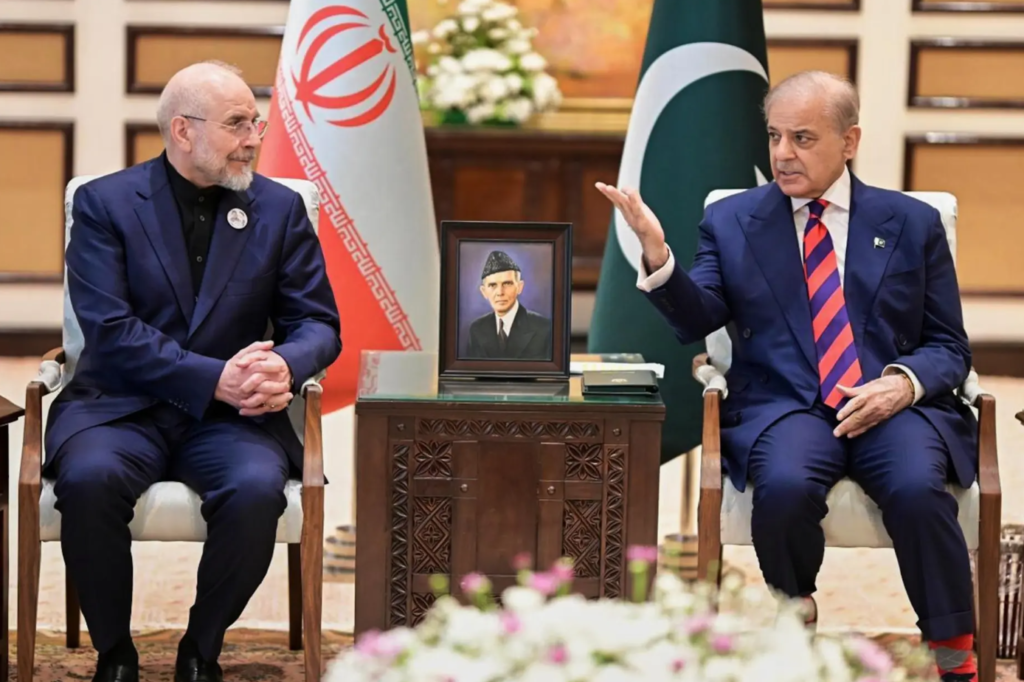
As the fragile US-Iran ceasefire enters its final days in April 2026, with a new round of talks looming in Islamabad amid mixed signals from Tehran and ongoing tensions in the Strait of Hormuz, the war’s ripple effects are already reshaping security across South Asia. Failed or stalled negotiations, combined with disruptions to one of the world’s most critical energy chokepoints, directly threaten Pakistan’s energy imports, stability along the Afghan border, and delicate relations with India.
Pakistan finds itself on the frontlines of this spillover—not merely as a mediator, but as a nation whose security and economic future are inextricably linked to the war’s outcome. The conflict, which erupted earlier in 2026, has already caused significant regional instability, and any breakdown in the current truce risks escalating into a broader crisis that could engulf South Asia.
The Direct Impacts on Pakistan
The Iran war and associated Hormuz disruptions have hit Pakistan hard on multiple fronts:
- Energy Security Crisis: Nearly 80% of Pakistan’s crude oil imports and a significant portion of its LNG and LPG shipments traditionally transit the Strait of Hormuz. Disruptions have led to fuel shortages, long queues at petrol stations, and warnings that inflation could surge from around 7% to 15-17% if the situation persists. Business leaders from the FPCCI have highlighted risks to exports, foreign exchange reserves, and overall economic stability.
- Afghan Border Instability: The conflict has diverted international attention from Afghanistan-Pakistan border issues, exacerbating militant activities. Reports indicate increased TTP operations and cross-border clashes, with potential for greater spillover as regional actors shift focus. Instability in Afghanistan compounds humanitarian pressures, including displacement and disrupted trade routes.
- Relations with India: The crisis adds layers of complexity to India-Pakistan dynamics. India, also heavily reliant on Hormuz for a substantial share of its energy imports (around 40% of crude in recent years, though diversified), faces its own supply challenges. This shared vulnerability could either foster quiet cooperation or heighten competition for alternative routes, while Pakistan’s mediation role has somewhat sidelined India diplomatically, altering regional power perceptions.
Highlight: “Pakistan feared a spillover of this catastrophic war into Pakistan. We had as much a stake in peace and stability in this volatile region as the other countries involved.” — Iftikhar Hussain Kazmi, former Pakistani ambassador.
Nuclear Threshold Risks in the New World Order
The war has raised alarms about nuclear thresholds across the region. Iran’s nuclear program remains a core sticking point in the Islamabad talks, with disagreements over uranium enrichment limits, stockpiles, and monitoring mechanisms. A collapse of the ceasefire could harden positions, potentially accelerating proliferation risks or prompting preemptive actions that destabilize the broader nuclear non-proliferation regime.
Pakistan, as a nuclear-armed state sharing a long border with Iran, views these developments with strategic caution. Think tanks note that escalation could indirectly affect South Asia’s nuclear dynamics, including India-Pakistan deterrence postures. In a multipolar era marked by “change of hands” in global power, such risks underscore the fragility of regional security architectures.
Experts from the Stimson Center and Pakistani institutes emphasize that prolonged conflict could lead to hybrid threats, including proxy activities that spill into Afghanistan and Balochistan, further straining Pakistan’s internal security.
Think-Tank Scenario Planning for South Asia
Global and regional think tanks have outlined several scenarios for the war’s aftermath:
- Best Case – Sustained Ceasefire: Successful Islamabad talks lead to de-escalation, reopening of Hormuz under monitored conditions, and renewed focus on economic corridors like CPEC extensions. This would ease energy pressures on Pakistan and open avenues for Iran-Pakistan gas pipeline revival.
- Medium Case – Fragile Pause: Intermittent disruptions continue, forcing Pakistan to accelerate alternative routes via Gwadar and Central Asia, while managing heightened border security.
- Worst Case – Renewed Escalation: Full breakdown triggers wider spillover, energy shocks, refugee flows, and increased militant cross-border activities, potentially drawing in other South Asian actors.
CSIS, Belfer Center, and local analyses stress the need for proactive middle-power diplomacy to contain these risks. Pakistan’s role in facilitating talks demonstrates how regionally anchored mediation can mitigate spillover in a fragmented global order.
Key Quote: “Pakistan’s initiative is undermined by its own political limitations vis-à-vis both Iran and the United States… Yet this initiative reflects serious political, economic, and security repercussions for Pakistan.” — Stimson Center analysis.
Pakistan’s Pivotal Role in Containment
Pakistan has leveraged its unique position—geographic proximity to Iran, functional ties with the US, and stakes in regional stability—to act as a diplomatic bridge. Army Chief Field Marshal Asim Munir’s shuttle diplomacy, alongside efforts by Prime Minister Shehbaz Sharif and other officials, has been instrumental in brokering the initial ceasefire and preparing for renewed talks.
This mediation not only protects Pakistan’s interests but also positions Islamabad as a key player in preventing wider spillover. By hosting talks and advancing proposals on Hormuz security and nuclear confidence-building, Pakistan is helping shape a more inclusive post-war order.
Opportunities include strengthened CPEC 2.0, enhanced trade with Central Asia via Iran transit corridors, and greater diplomatic prestige. Risks involve domestic pressures, balancing relations with Gulf states and India, and potential US intelligence concerns.
Policy Recommendations and Calls for Engagement
To safeguard South Asia security and contribute to global stability, the World Think Tanks Council recommends:
- Enhanced Scenario Planning: Pakistani and international think tanks should jointly develop detailed contingency models for nuclear thresholds, energy alternatives, and border management.
- University Panels on Conflict Resolution: Partner with institutions such as Quaid-i-Azam University, LUMS, and regional counterparts for academic simulations, research workshops, and student-led discussions on middle-power roles in de-escalation. These panels can explore lessons from the current crisis for future multipolar challenges.
- Awards for Mediation Excellence: Establish an annual award recognizing outstanding contributions to conflict prevention and regional stability, with nominations open to diplomats, scholars, and policymakers involved in the Islamabad process.
- Institutional Mechanisms: Create a standing South Asia-Middle East dialogue forum to monitor spillover risks, promote alternative energy routes, and integrate economic diplomacy with security strategies.
- Sustainable Linkages: Tie post-war reconstruction efforts to green infrastructure upgrades along CPEC and cross-border initiatives that build resilience against future shocks.
These steps align with broader think-tank calls for proactive, evidence-based approaches in an era of shifting power dynamics.
Conclusion: Turning Crisis into Opportunity for Regional Dialogue
The Iran war aftermath presents both grave risks and a window for Pakistan to demonstrate leadership in preventing wider spillover. By addressing energy vulnerabilities, Afghan border challenges, and nuclear concerns through sustained diplomacy, Islamabad can help forge a more stable South Asia within the emerging new world order.
This moment underscores the value of neutral convening spaces for frank discussion. As developments in Islamabad unfold, the need for inclusive platforms grows stronger.
Call to Action
How should South Asia prepare for potential spillover scenarios? What roles can universities and diplomats play in long-term conflict resolution? Submit your analysis, propose a university panel, or nominate contributors for our mediation excellence awards. Register or contribute at worldthinktanks.com/contribute. Let’s build sustained, policy-relevant dialogue on these critical issues.